Thailand Marriage Visa Documents: The Complete 2026 Guide
What Is the Thailand Marriage Visa and Who Is It For?
If you are married to a Thai national and want to live in Thailand long-term, the Non-Immigrant O visa based on marriage is likely your best option. This visa allows foreign spouses to reside in the country legally, without the need to leave every 30 or 60 days like a tourist. It is not a permanent residency solution, but it is a stable and renewable path for couples building their life together in Thailand.
In 2026, the rules remain largely consistent with previous years, but the financial thresholds and documentation requirements are strictly enforced. Immigration officers are thorough, and a missing or expired document can cause your application to be rejected outright. This guide breaks down everything you need to know before you walk into any immigration office.
The Core Documents You Need for a Thailand Marriage Visa
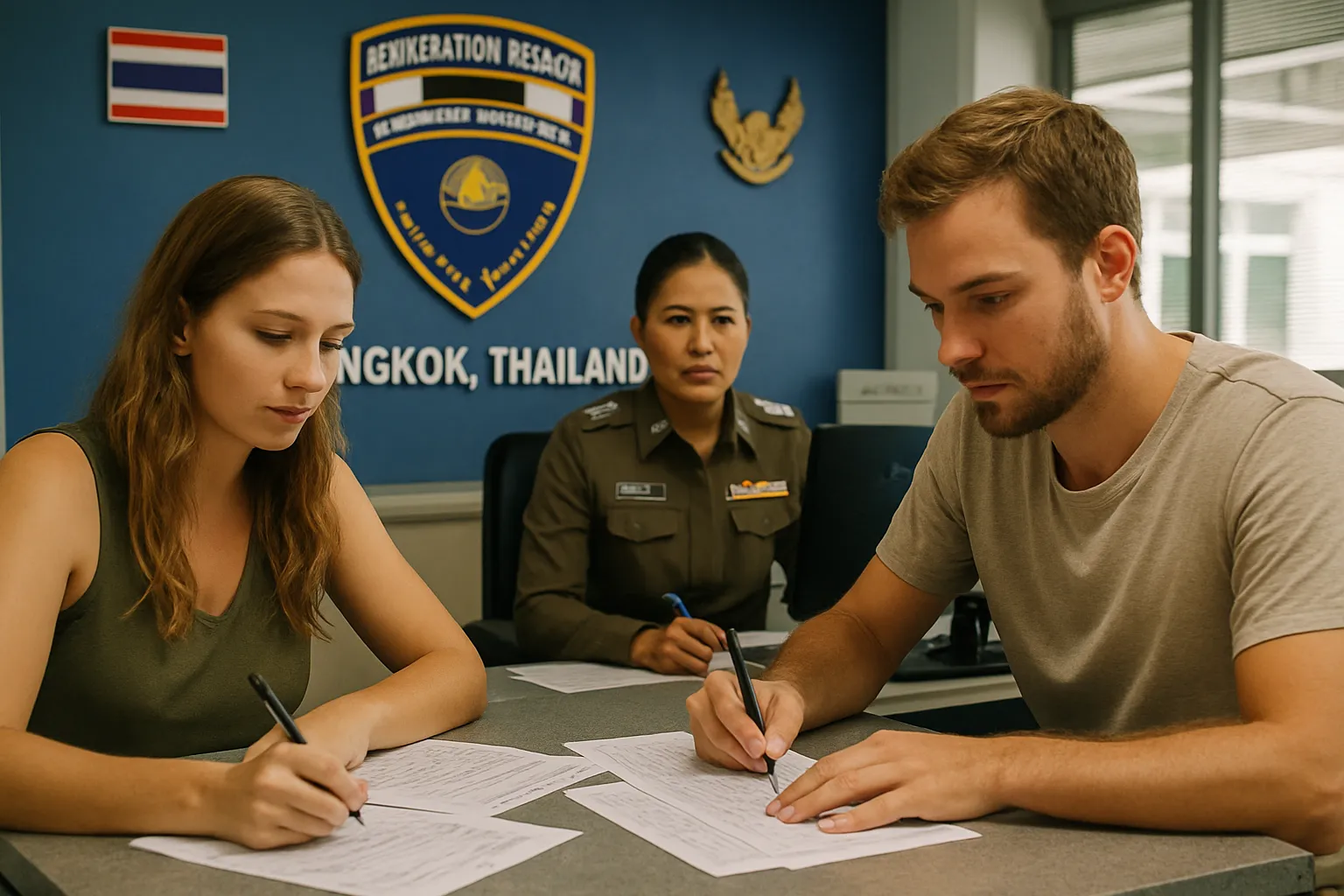
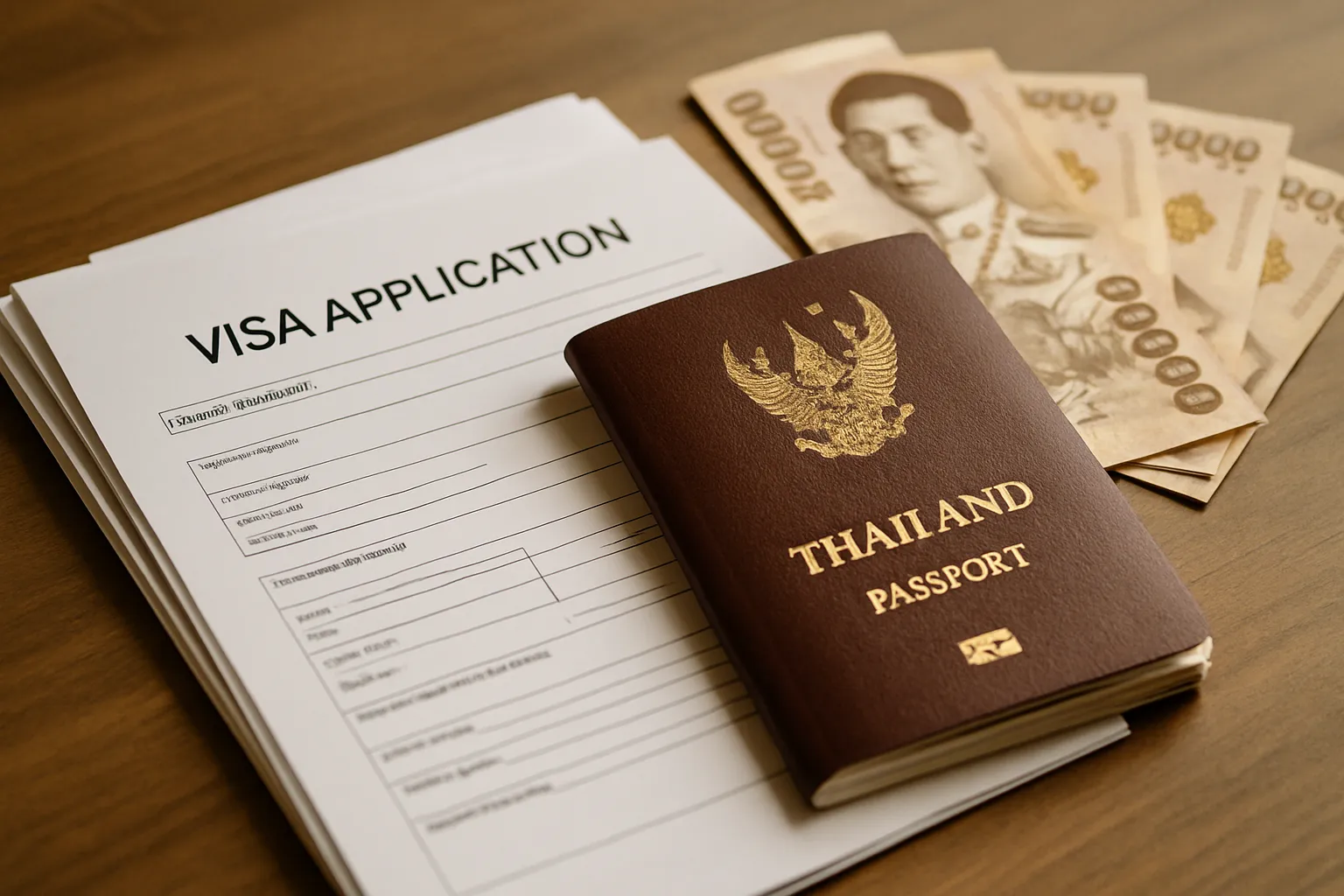
Getting your document list right is half the battle. Thai immigration offices follow a standard checklist, and while minor variations can exist between provinces, the core requirements are consistent nationwide. Below is a breakdown of what you will need to prepare.
Your Personal Documents
- Valid passport (with at least 18 months remaining validity recommended)
- Completed TM7 application form (available at immigration offices or downloadable online)
- Recent passport-sized photographs (4x6 cm, white background, taken within the last 6 months)
- Copy of every page of your passport that has a stamp, entry, or visa
- Proof of current address in Thailand (rental contract, utility bill, or TM30 receipt)
Your Marriage and Spouse Documents
- Official Thai marriage certificate (Kor Ror 3), issued by the district office (Amphoe)
- Copy of your Thai spouse's national ID card (both front and back)
- Copy of your Thai spouse's house registration book (Tabien Baan)
- Recent photographs of you and your spouse together (to prove genuine relationship)
Financial Proof Documents
This is where many applicants run into trouble. Thailand requires you to prove financial stability before granting or extending a marriage visa. You have two options to meet this requirement.
If you use the bank balance method, the 400,000 THB must already be in your Thai bank account for at least two to three months before the application date. Last-minute transfers are flagged by immigration officers and may result in denial. You will also need an official letter from your bank confirming the balance, which most Thai banks can issue within one to two business days.
A Special Note for French Nationals: The CCAM Requirement
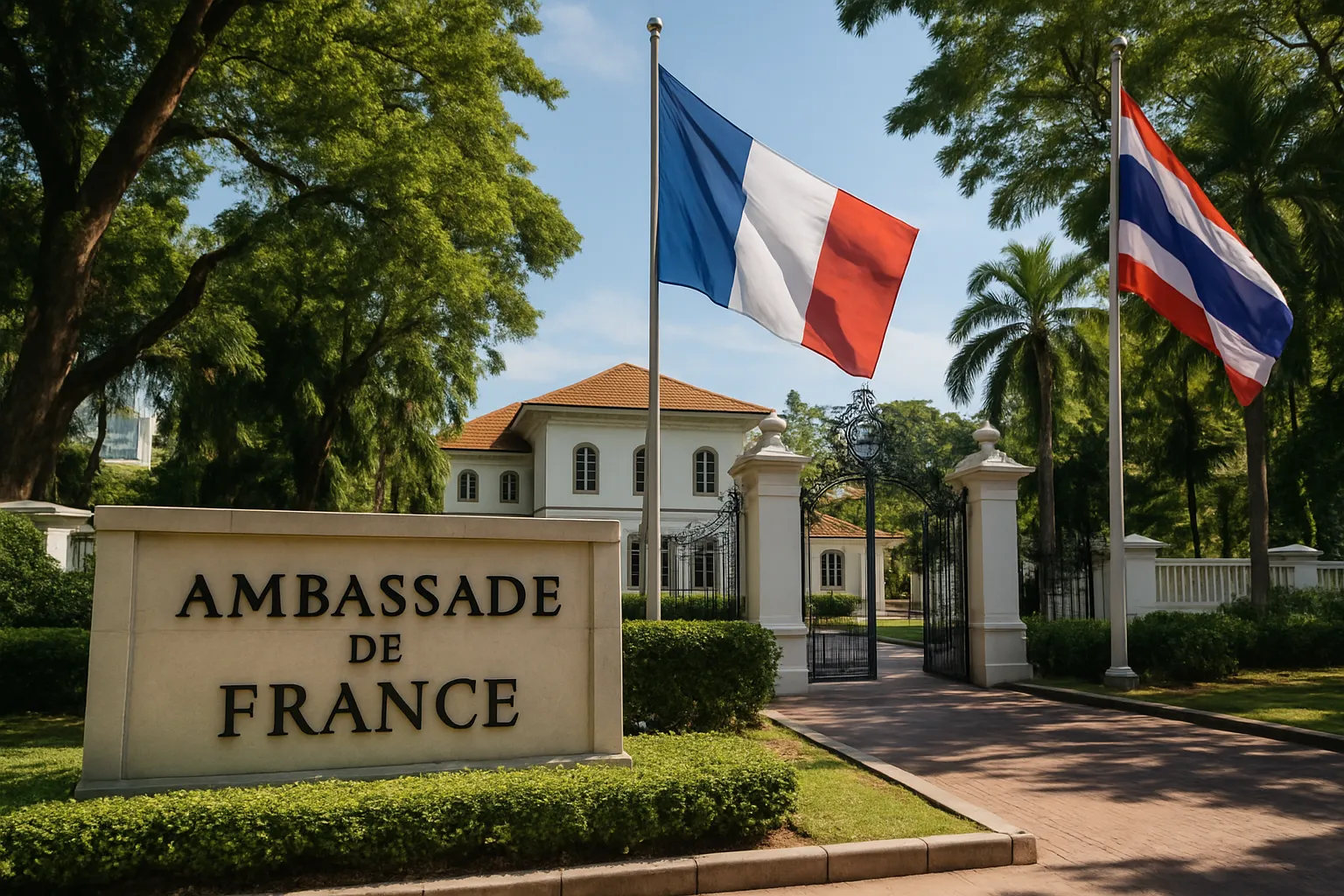
French citizens have one additional step that citizens of many other countries do not face. Before your marriage can be registered at a Thai district office (Amphoe), you must obtain a Certificat de Capacité à Mariage (CCAM) from the French Embassy in Bangkok. This certificate confirms that you are legally free to marry under French law.
Without this document, the Amphoe will not register your marriage, which means you will not receive a Thai marriage certificate, which means you cannot apply for a marriage visa. The CCAM is therefore the very first administrative step in the entire process for French nationals.
Applying for the Visa: Inside Thailand vs. From Abroad
You have two ways to get a Non-Immigrant O marriage visa. The right approach depends on where you are when you apply.
Applying From Your Home Country
If you are not yet in Thailand, visit the Royal Thai Embassy in your country and apply for a Non-Immigrant O visa directly. You will submit your documents in person or by mail (depending on the embassy's procedures) and receive a 90-day single-entry or multiple-entry visa. Once in Thailand, you can then apply for an annual extension at your local immigration office.
Changing Status Inside Thailand
Already in Thailand on a tourist visa or visa exemption? You can apply to change your visa type to Non-Immigrant O at the Immigration Bureau. Keep in mind that this route requires you to have valid permission to stay at the time of application. Overstaying even a single day will complicate the process significantly.
Extending Your Marriage Visa Each Year
The Non-Immigrant O marriage visa, once obtained, gives you a 90-day entry. From there, you apply for a one-year extension of stay at your local immigration office in Thailand. This is not done at an embassy. You must be physically present in Thailand with valid permission to stay when you submit the extension application.
Extensions are typically granted for 12 months at a time and can be renewed indefinitely as long as your marriage remains valid and your financial requirements continue to be met. The extension fee is 1,900 THB per application.
- TM7 extension application form
- Passport with current valid visa/entry stamp
- Thai marriage certificate
- Thai spouse's ID card and house registration
- Financial proof (bank letter + passbook showing 400,000 THB or income evidence)
- Photos of you and your spouse at home (recent, showing life together)
- Map or sketch showing how to reach your residence from a nearby landmark
- 1,900 THB extension fee in cash
Common Mistakes to Avoid
Plenty of expats have walked into immigration offices fully confident, only to be turned away for a small oversight. Here are the most common pitfalls to sidestep.
- Insufficient bank seasoning: Depositing 400,000 THB one week before your appointment will not work. The money needs to sit in your account for at least two to three months.
- Unsigned TM30 receipt: Your landlord or host must report your address to immigration using a TM30 form. If this has not been filed, your application can be refused.
- Expired passport: If your passport expires during your planned stay, renew it before applying. Immigration will not issue a one-year extension into a passport that expires in six months.
- Missing spouse at the appointment: Many immigration offices require your Thai spouse to be physically present during the extension interview. Confirm this with your local office in advance.
Practical Tips for a Smooth Application
A little preparation goes a long way when dealing with Thai immigration. These practical habits will make the whole process much less stressful.
Preparation beats panic every time. Arrive early, bring more documents than you think you need, and always have a Thai speaker available if your Thai is limited.
- Arrive at the immigration office early in the morning. Queues fill up fast, especially at popular offices like Chaeng Wattana in Bangkok.
- Keep a dedicated folder with plastic sleeves for all your immigration documents so nothing gets lost or damaged.
- Update your bank passbook at the ATM or bank counter on the morning of your appointment so it reflects the most current balance.
- Confirm the exact requirements with your specific local immigration office before your visit, as minor variations exist between provinces.
- Set a calendar reminder 60 days before your permission to stay expires so you have plenty of time to gather documents and book an appointment.
Where to Find Official Information
Requirements can and do change, sometimes with little notice. Always verify the latest document list directly with the relevant authorities before your appointment. The official source for visa and extension procedures in Thailand is the Thailand Immigration Bureau, which publishes updated guidelines on its website. If you are a French national, the French Embassy in Bangkok can guide you through the CCAM procedure specifically.
Your local Amphoe (district office) is the right place to ask about registering your marriage. For provincial immigration questions, your nearest immigration office will always have the most accurate local requirements. Do not rely solely on online forums, as information shared there can be outdated or specific to a different province.