Khao Sam Roi Yot National Park: The Complete Visitor's Guide
Why Khao Sam Roi Yot Belongs on Your Thailand Bucket List
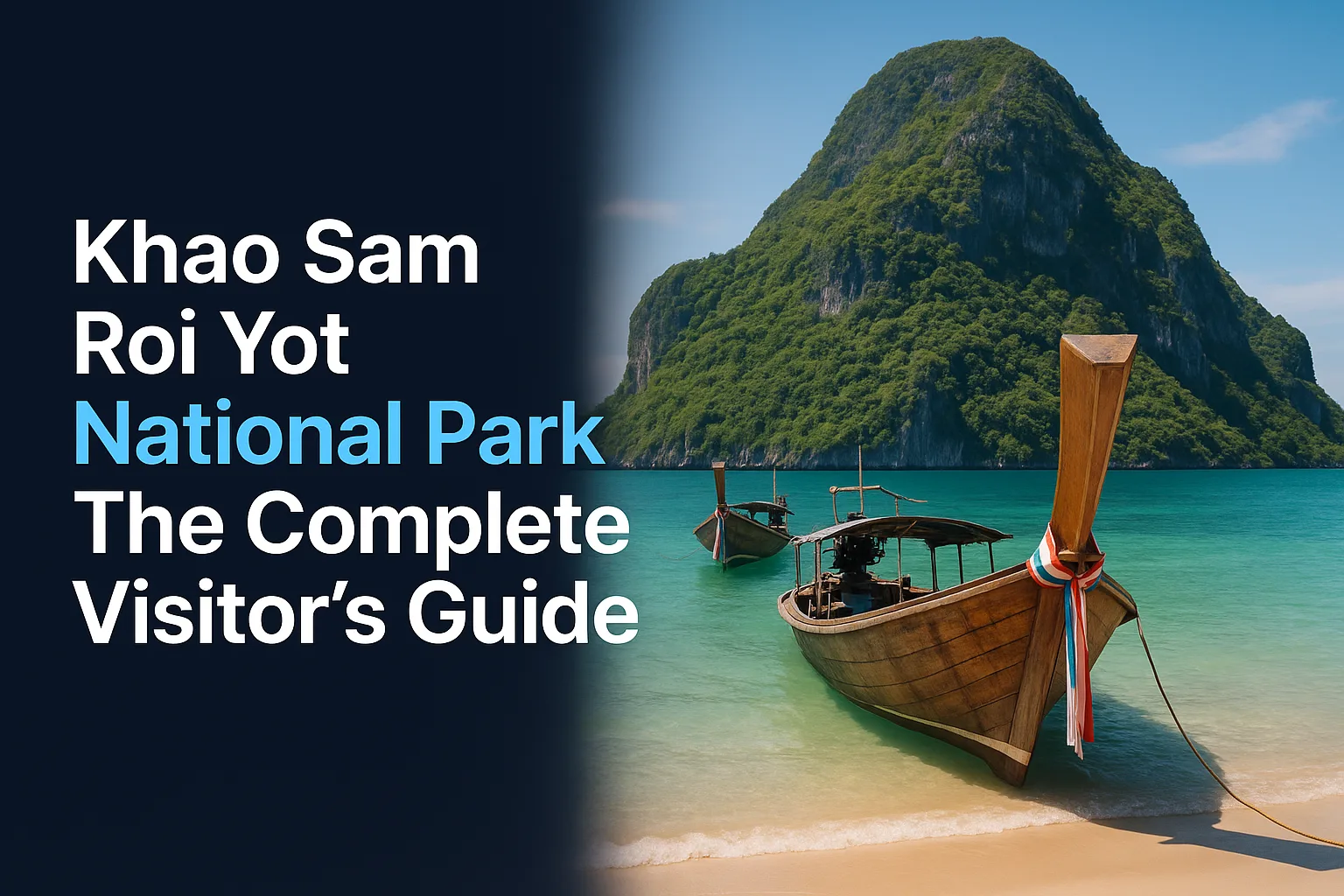
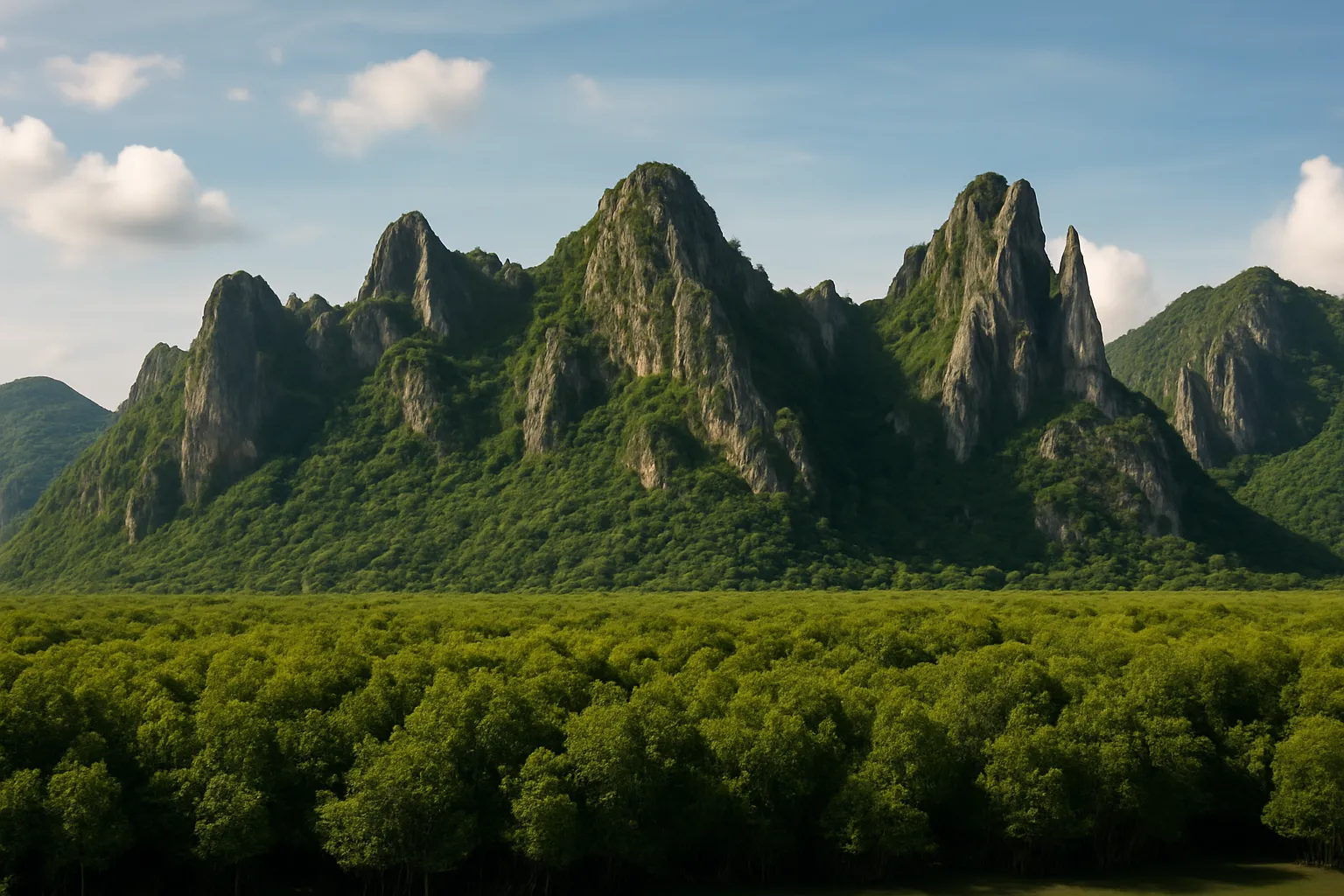
Most travelers heading south from Bangkok think beach, beach, beach. But about 325 km south of the capital, squeezed between limestone mountains and the Gulf of Thailand, Khao Sam Roi Yot National Park is doing something completely different. Its name literally means "mountain of 300 peaks," and once you see the jagged karst ridgeline cutting across the sky, you'll understand why the Thais chose that name. This is one of those rare places where dramatic caves, freshwater wetlands, mangrove forests and a coastline all coexist within a single park boundary - and in 2026, it's attracting more attention than ever.
Interest in the park has grown steadily over the past year, partly because travelers are looking for day trips or short getaways from Bangkok and Hua Hin that feel genuinely off the beaten track. Khao Sam Roi Yot sits roughly 60 km south of Hua Hin, making it a perfect half-day or full-day excursion from that resort town. From Bangkok, a road trip takes around 3 to 4 hours depending on traffic - manageable for a weekend adventure.
The Star Attraction: Phraya Nakhon Cave
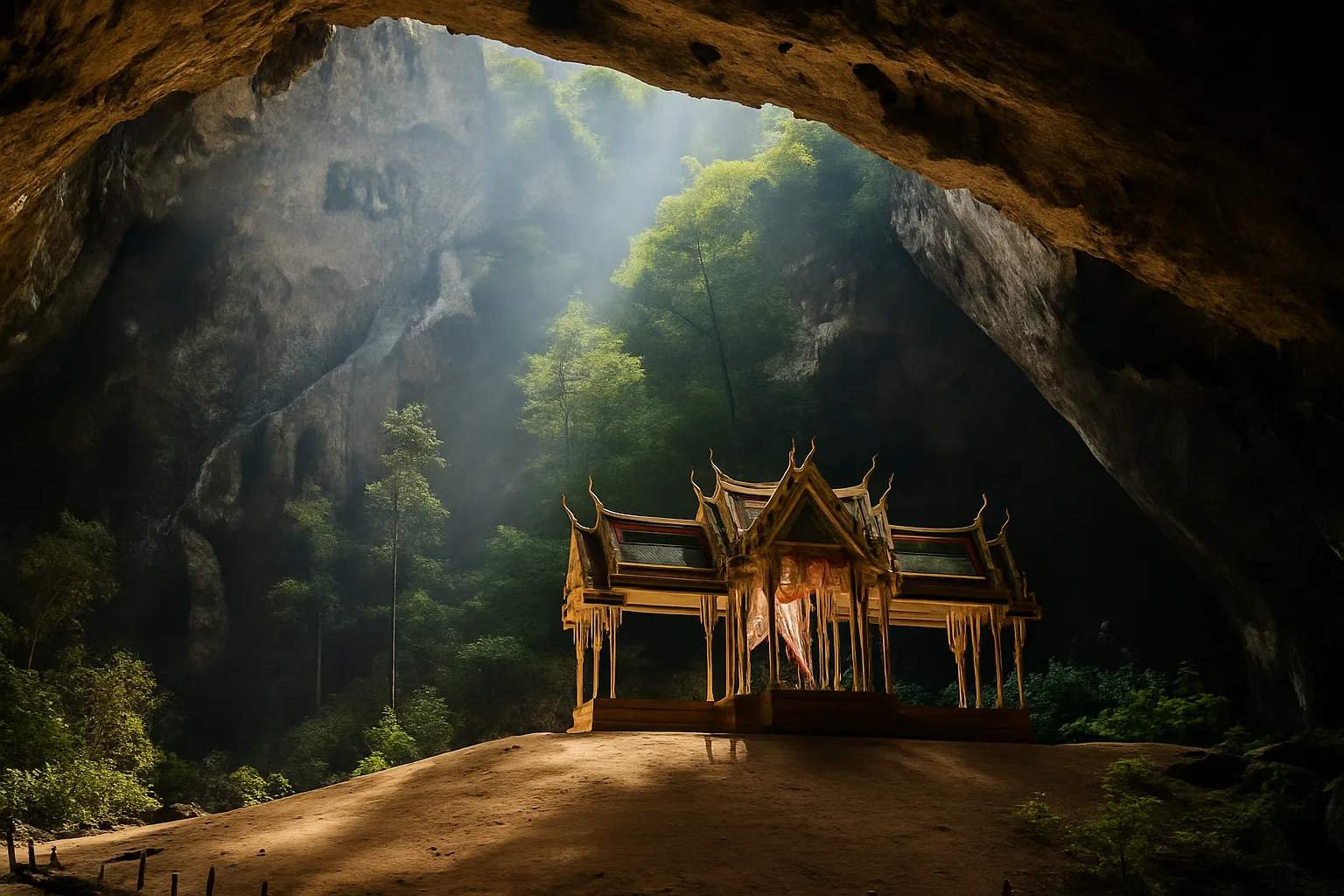
If you only have time for one thing in the park, make it Phraya Nakhon Cave. This is not your average tourist cave - it's genuinely spectacular. The cave contains two large sinkholes that let sunlight pour down from above, illuminating the Khuha Kharuehat Pavilion, a royal sala built in 1890 for King Rama V. On a clear morning, a shaft of golden light hits the pavilion directly, creating one of the most photographed scenes in southern Thailand.
Getting there is part of the experience. You take a 10-minute longtail boat ride from Hat Laem Sala beach (around 100 THB per person), then hike uphill for about 30 to 40 minutes. The trail is steep in places, so wear proper shoes. The cave entrance fee is included in your national park ticket. Arrive early - before 9 AM if possible - to catch the best natural lighting inside the cave and avoid the midday crowds.
Lotus Ponds, Wetlands and Wildlife
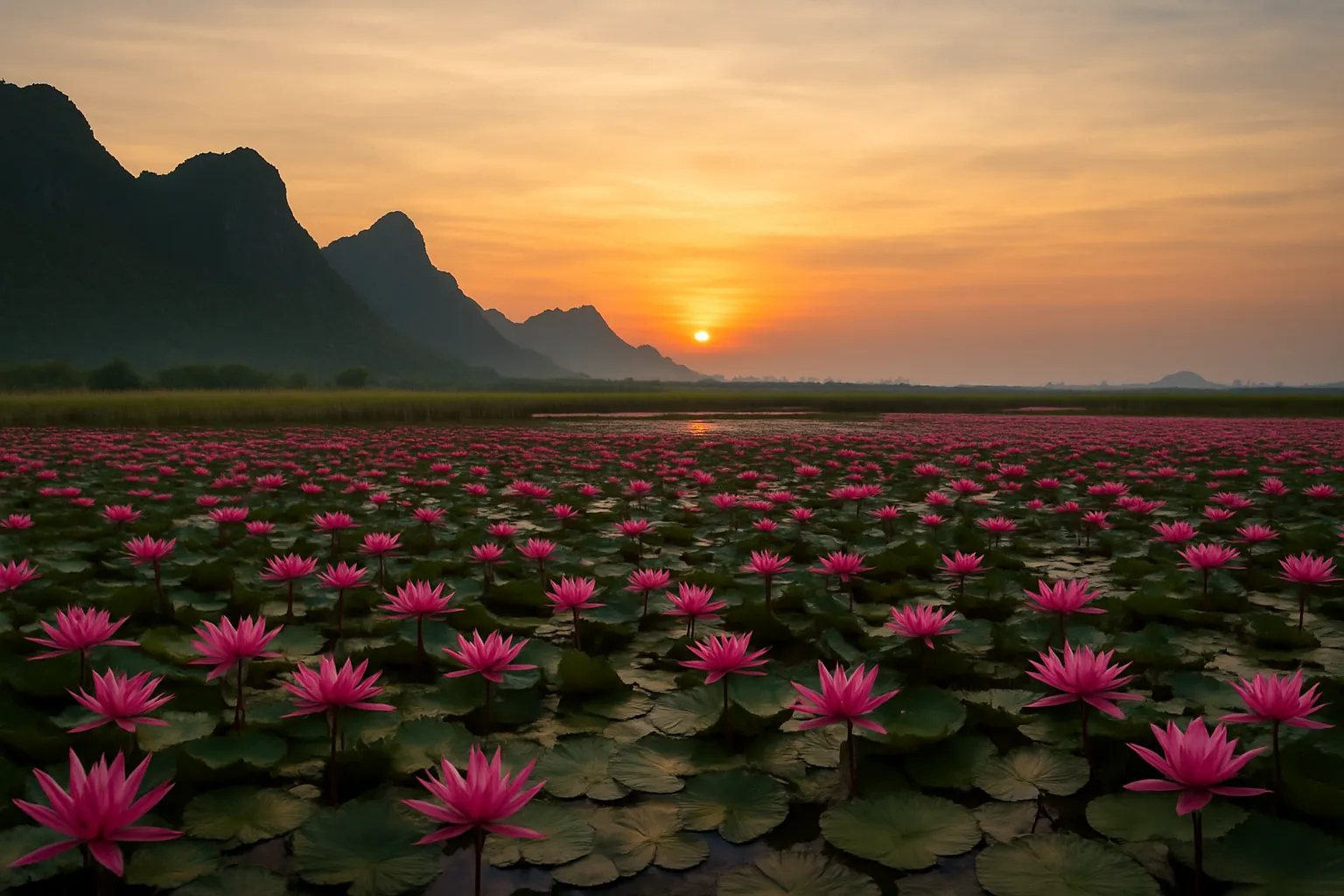
Beyond the cave, Khao Sam Roi Yot has a remarkable ecosystem that surprises most first-time visitors. The park protects Thailand's largest freshwater marsh, Thung Sam Roi Yot, a vast wetland that turns pink and purple during lotus blooming season (roughly November to March). Walking the elevated wooden boardwalks across the marsh while lotus flowers stretch out in every direction is a genuinely peaceful experience - the kind that makes you put your phone away for once.
The wetlands are also why the park has become a magnet for birdwatchers. A total of 355 bird species have been recorded here, including several migratory species that stop over during the winter months. Purple herons, painted storks, kingfishers and the rare purple swamphen are among the highlights. If you're serious about birdwatching, plan your visit between November and February when migratory species are present and the morning light is golden.
The mangrove forests along the coast add yet another layer to the park's biodiversity. Kayaking through the mangroves is possible and a genuinely different perspective compared to hiking. Local tour operators near the park entrance rent kayaks and can arrange guided paddles lasting 2 to 3 hours.
Practical Information: Fees, Opening Hours and Getting There
The park entrance fee for foreign visitors is 300 THB for adults and 150 THB for children. Thai nationals pay 20 THB. The park is open daily from 6 AM to 6 PM. You can check current details on the official Khao Sam Roi Yot National Park page from Thailand's Department of National Parks.
Getting there by car or motorbike is the most practical option. From Hua Hin, take Route 4 south toward Pranburi, then follow signs to the park - the drive takes about 60 to 75 minutes. From Bangkok, the easiest route follows Highway 35 down to Phetchaburi, then south on Route 4. There is no direct public transport to the park itself, but minivans from Hua Hin to Pranburi run regularly and some local taxis or songthaews can take you the rest of the way for a negotiated fare.
If you're flying into the region, Hua Hin Airport handles some domestic routes, though Bangkok's Suvarnabhumi or Don Mueang airports are the main hubs for international arrivals. For the latest route updates before you book, it's worth checking the Thailand airports 2026 guide for changes that may affect your travel plans.
Where to Stay Near the Park
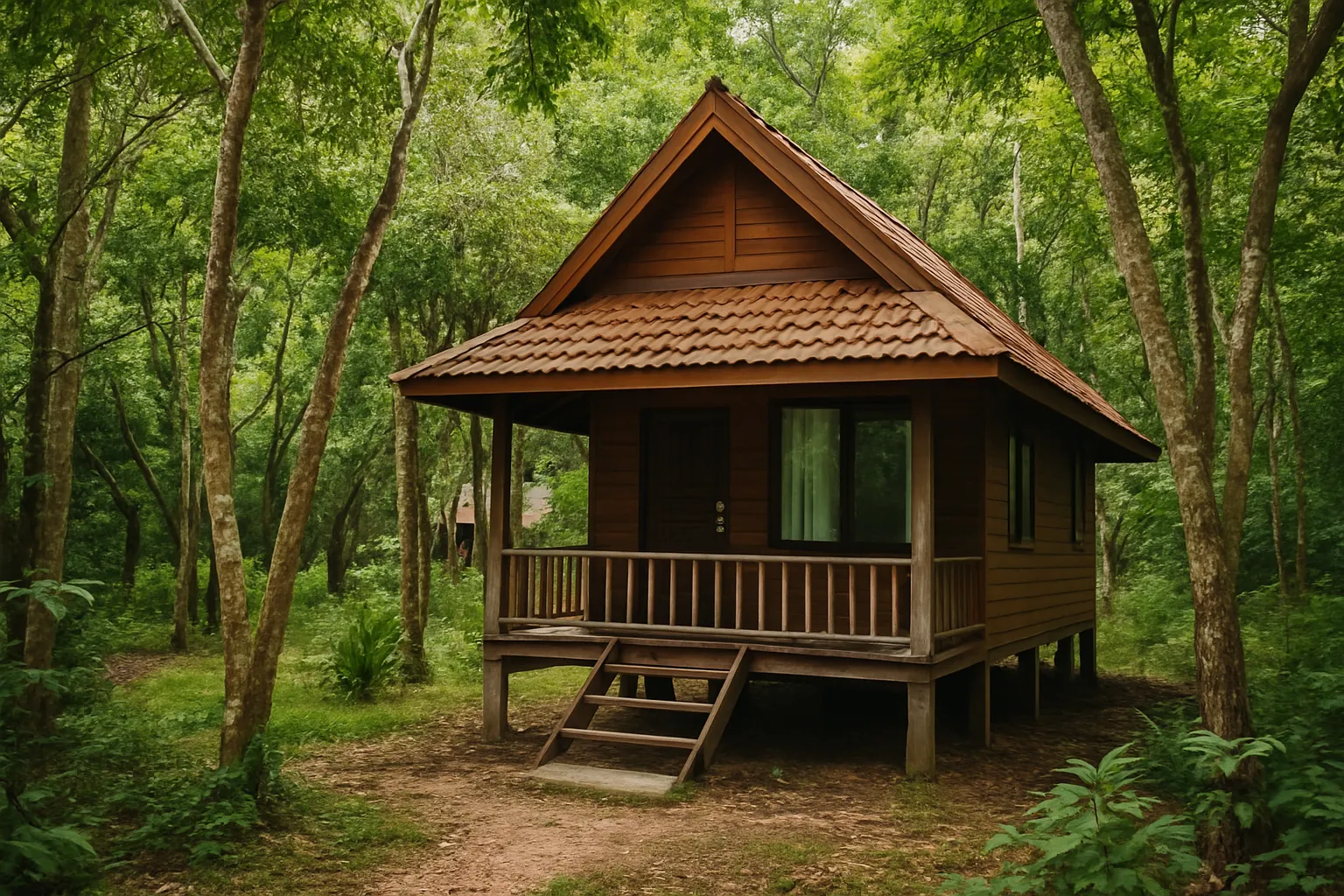
Accommodation options range from basic bungalows inside the park run by the Department of National Parks (bookable in advance at around 600 to 1,200 THB per night) to guesthouses and resorts in the nearby town of Pranburi. Pranburi is a pleasant base with a low-key beach scene, several good seafood restaurants and a relaxed pace that feels very different from Hua Hin's busier resort strip. Budget guesthouses start around 500 to 800 THB per night, while mid-range beach resorts run from 1,500 to 3,500 THB.
For those using Hua Hin as a base and visiting the park as a day trip, most resorts can arrange transportation or connect you with a local guide. A guided full-day tour from Hua Hin including transport, park entrance and the Phraya Nakhon Cave hike typically costs between 1,200 and 2,000 THB per person depending on group size.
Tips for Getting the Most Out of Your Visit
A few things worth knowing before you go:
Khao Sam Roi Yot doesn't try to compete with Thailand's famous islands or bustling cities. It does something quieter and, honestly, more memorable - it shows you a side of Thailand that most visitors never slow down enough to find. Whether you're a wildlife enthusiast, a casual hiker, a history lover drawn to that extraordinary royal pavilion, or simply someone who wants a weekend road trip from Bangkok that actually surprises you, this park is worth the detour.