Koh Tao Diving 2026: The Complete Guide to Getting Certified and Exploring the Best Dive Sites
Why Koh Tao Is Still the Diving Capital of Southeast Asia in 2026
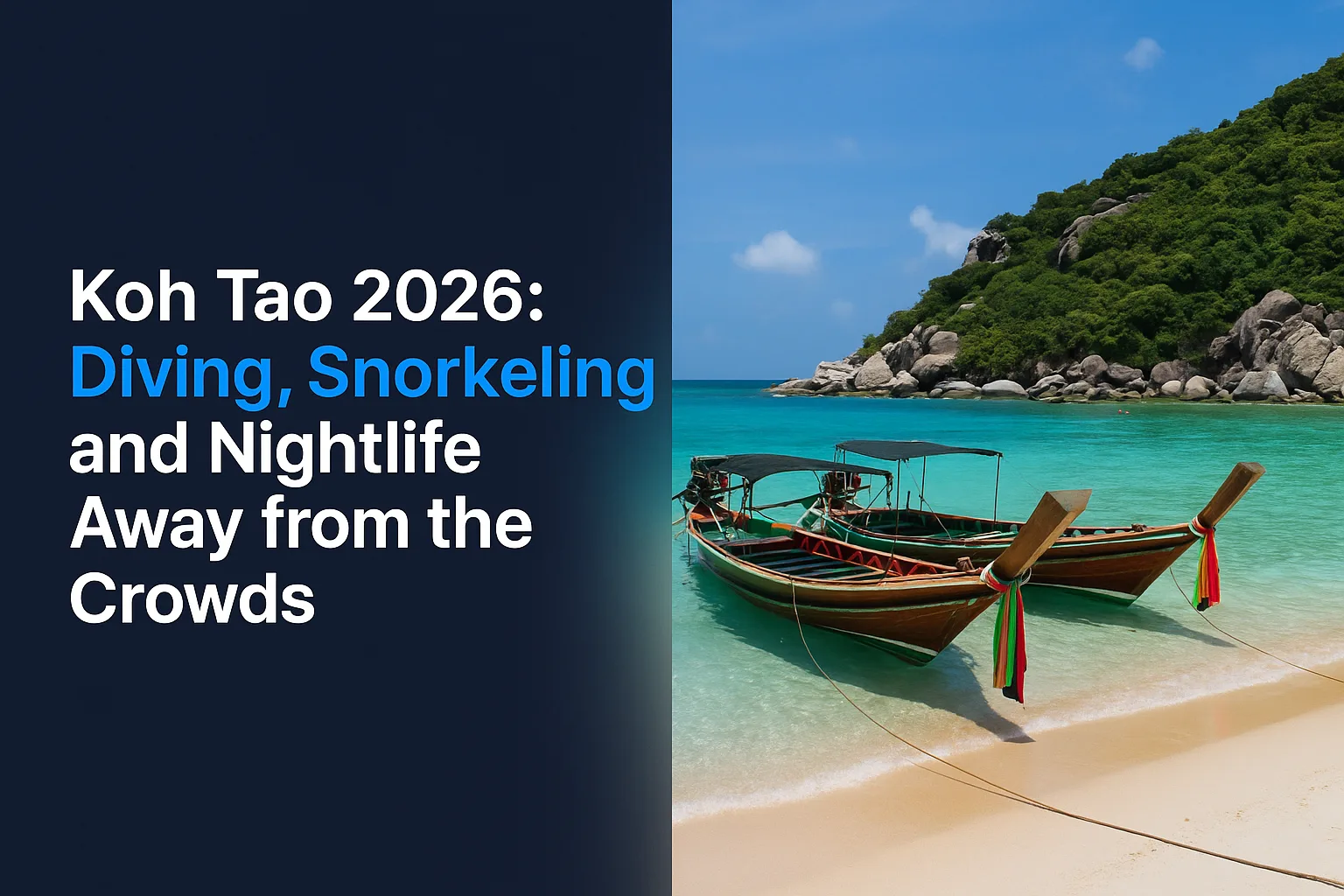
If you have been dreaming about learning to dive somewhere warm, clear, and genuinely affordable, Koh Tao keeps showing up at the top of every list - and for good reason. This small island in the Gulf of Thailand has built its entire identity around scuba diving. Every year, thousands of travelers arrive here specifically to earn their Open Water certification, and 2026 is no different. Visibility regularly reaches 20 to 30 meters, water temperature sits around 28-30°C year-round, and the marine life ranges from whale sharks to colorful nudibranchs depending on the season.
According to the Tourism Authority of Thailand, Koh Tao receives over 300,000 visitors annually, with a significant portion coming purely for diving. The island hosts more than 60 registered dive centers, making it one of the most concentrated dive training hubs on the planet.
The 13 Best Dive Sites on Koh Tao in 2026
The site kohtaocompleteguide.com identifies 13 major dive spots around the island in 2026, ranging from deep-water pinnacles to shallow sandy bays. Here is a breakdown of the most iconic ones based on experience level:
For Beginners
- Shark Bay (Thian Og Bay) - Shallow, calm, and famous for blacktip reef sharks resting on the sandy bottom. Depth: 5 to 12 meters.
- Aow Leuk - A protected bay with excellent visibility and gentle currents, perfect for first open water dives. Depth: 4 to 14 meters.
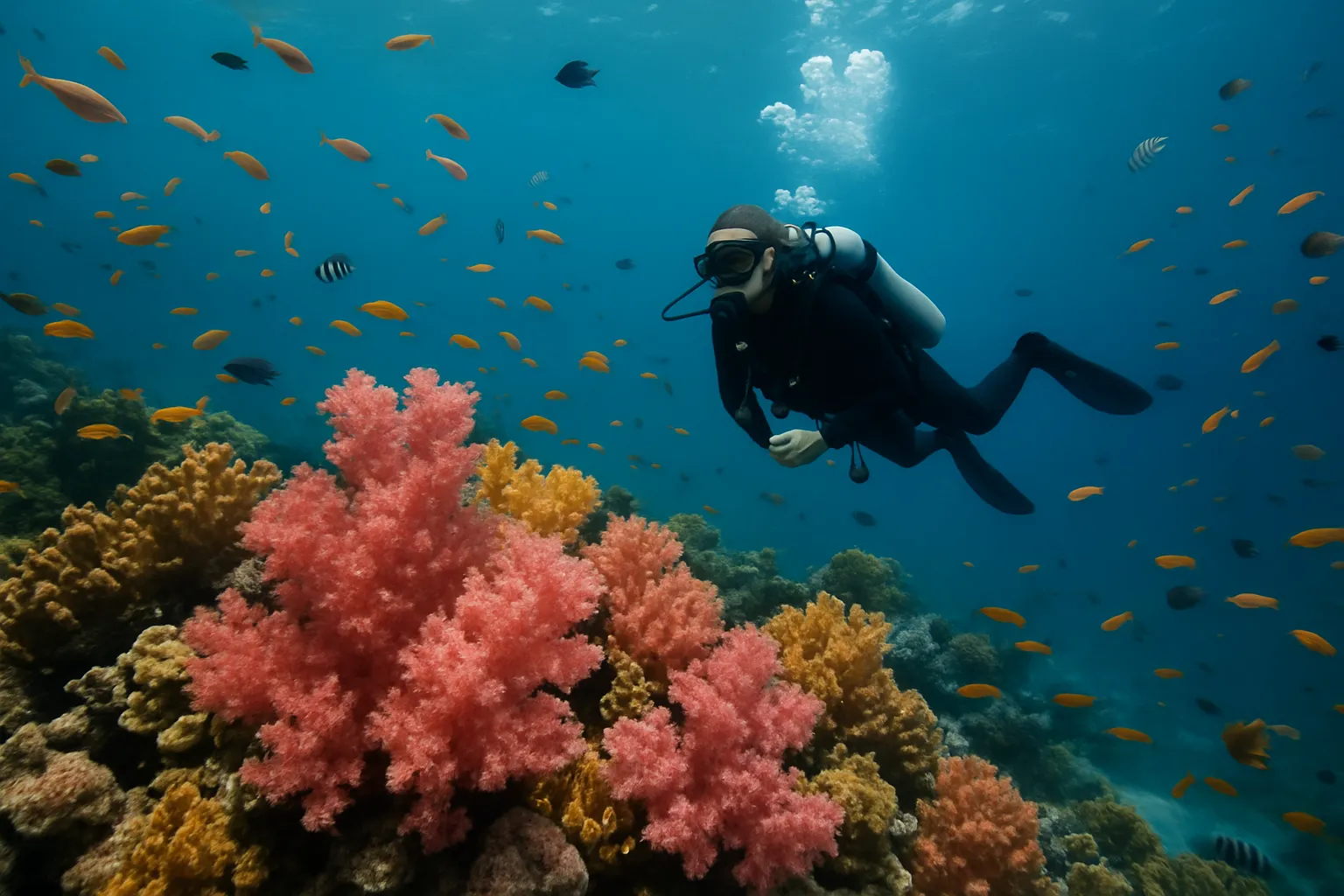
- Japanese Gardens - One of the most photogenic spots on the island, packed with garden eels, clownfish, and soft corals. Depth: 6 to 16 meters.
For Intermediate Divers
- White Rock - A large granite formation covered in hard and soft corals, consistently good for spotting triggerfish and moray eels. Depth: 8 to 20 meters.
- Hin Pee Wee - A quieter site with strong coral growth and regular sightings of hawksbill turtles. Depth: 10 to 22 meters.
- Mango Bay - Popular for night dives, with octopus, lionfish, and sleeping parrotfish. Depth: 6 to 18 meters.
For Advanced Divers
- Sail Rock - The standout deep-water pinnacle of the Gulf of Thailand. A chimney runs through the rock from 12 to 5 meters depth. This is one of the best whale shark spotting sites in the country. Depth: down to 40 meters.
- Southwest Pinnacle - Large granite towers with strong currents and big pelagic action including barracuda, grouper, and occasional whale sharks. Depth: 6 to 30 meters.
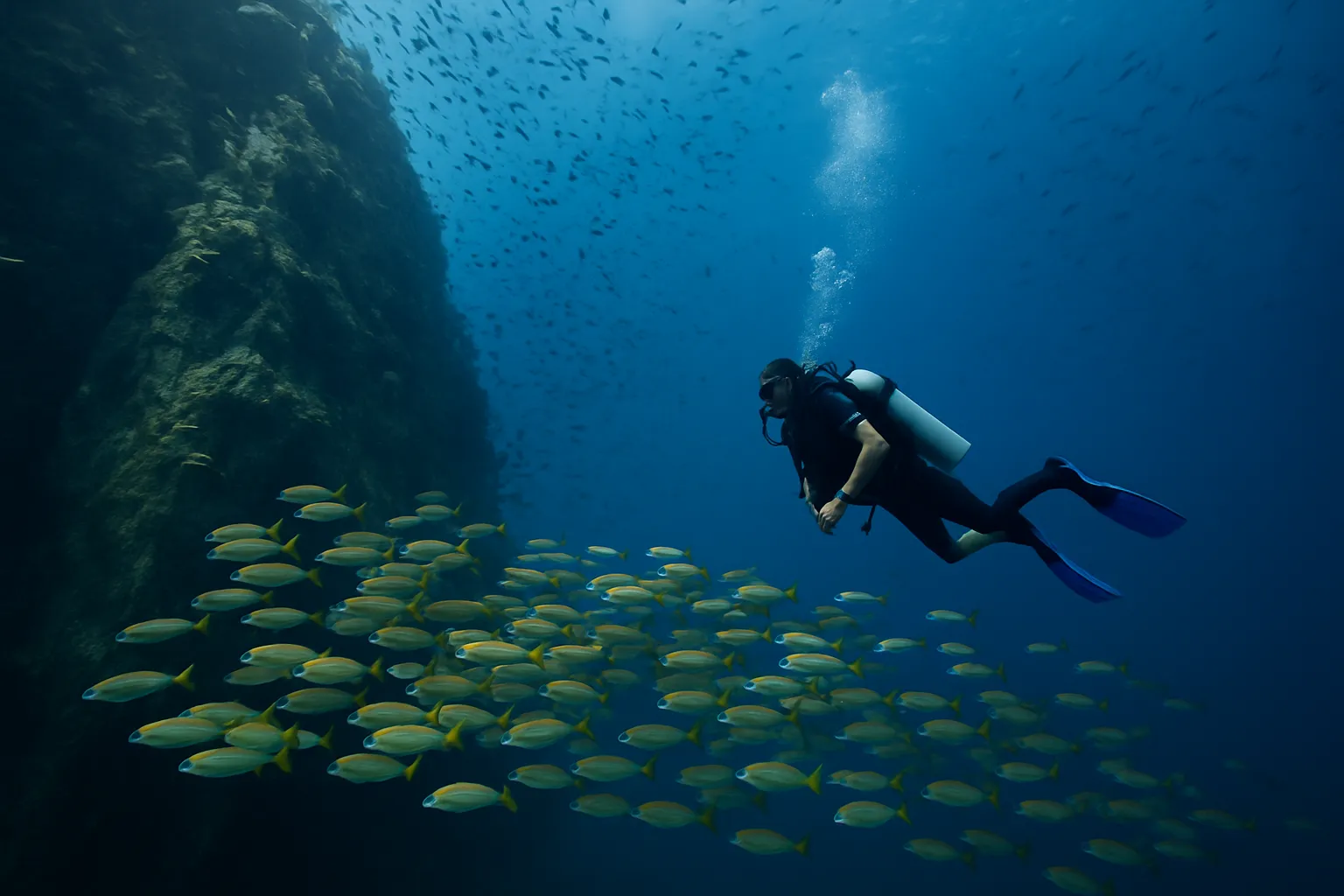
- Chumphon Pinnacle - One of the most sought-after dives near Koh Tao, with strong currents, huge schools of fish, and regular whale shark encounters. Depth: 14 to 36 meters.
Open Water Certification on Koh Tao: Prices and What to Expect in 2026
Getting your PADI or SSI Open Water certification on Koh Tao is one of the most popular things travelers do in Thailand. In 2026, platforms like GetYourGuide list 3-day Open Water courses starting from around 349 USD (approximately 12,000 THB). Prices on the island itself vary between 9,500 and 14,000 THB depending on the dive center, the group size, and what is included in the package.
A standard Open Water course includes:
- Online or classroom theory modules (eLearning option available)
- Pool or confined water sessions (usually 1 day)
- 4 open water dives over 2 days
- Certification card recognized worldwide
- All equipment rental
Most courses run over 3 to 4 days total. If you already have your theory done via eLearning, some centers can compress the practical part into 2.5 days. The Advanced Open Water course adds 2 more days and typically costs between 8,500 and 11,000 THB.
How to Choose a Reputable Dive Center - The Question Everyone Is Asking in 2026
This is probably the most important section of this guide. A thread on Reddit in March 2026 raised some valid concerns about teaching quality at certain Koh Tao dive centers. The island's popularity means there is strong commercial pressure, and not every center delivers the same standard of instruction. Here is what to look for before you book:
Check the Certification Agency
Stick with centers affiliated with internationally recognized agencies: PADI, SSI, or NAUI. These agencies require dive instructors to meet specific training and renewal standards. You can verify instructor credentials directly on the PADI or SSI website before paying anything.
Look at Instructor-to-Student Ratios
PADI standards require a maximum of 8 students per instructor during open water dives. Many quality centers keep the ratio at 4 to 5 students per instructor. If a center is offering very low prices and not mentioning group sizes, ask directly. A ratio above 8 is a red flag.
Read Recent Reviews - and Read Between the Lines
Google Reviews and TripAdvisor are useful, but look specifically for reviews mentioning safety, instructor attentiveness, and equipment condition. Reviews from the past 6 months carry more weight. Avoid centers with multiple recent complaints about rushed training or poor equipment maintenance.
Visit the Center Before You Commit
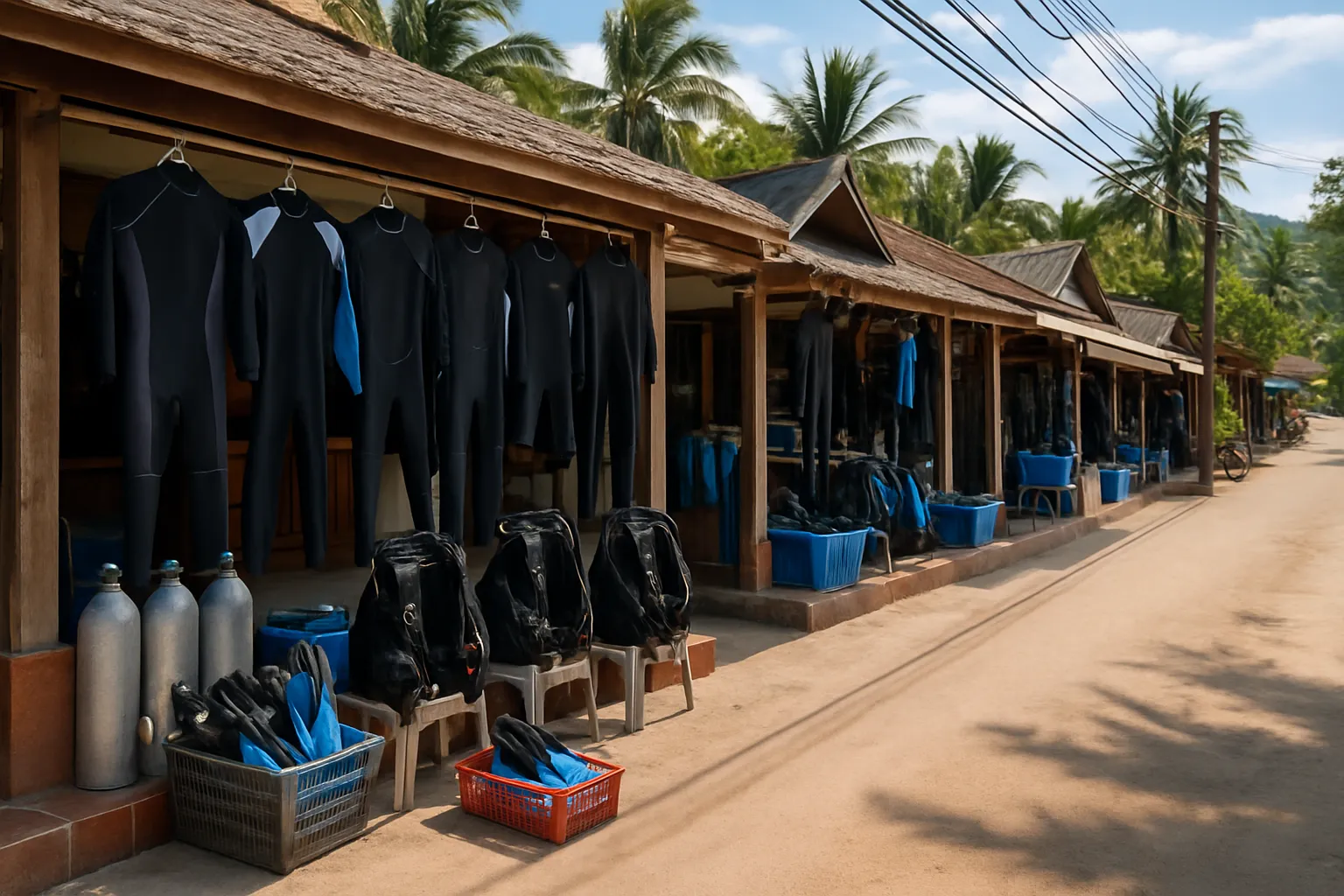
If you are already on the island, walk in, ask to see the equipment, and talk to an instructor. A good center will welcome questions. The equipment should look well-maintained and regularly serviced. Ask when regulators were last serviced - a confident answer is a good sign.
Avoid High-Pressure Sales Tactics
Some shops on the main strip push hard for same-day bookings with aggressive discounts. Legitimate, well-established centers generally do not need to pressure travelers. Take your time, compare two or three options, and prioritize quality over a discount of 500 THB.
Best Time to Dive at Koh Tao in 2026
Koh Tao sits in the Gulf of Thailand and has a slightly different seasonal pattern from the Andaman coast. The best conditions generally run from April to October, with calm seas and excellent visibility. The period from June to September offers warm water (29-30°C) and frequent whale shark sightings at deeper sites like Chumphon Pinnacle.
November and December bring rougher conditions with some dive sites closing temporarily. January to March can also see some chop, though experienced divers will still find good conditions on sheltered sides of the island.
If you are planning your trip around a specific diving goal - like whale sharks or night dives - July and August tend to be the sweet spot, even though the island is busier with tourists during those months. For planning your broader Thailand itinerary around the best seasonal windows, check out our guide to Thailand's secret islands in 2026 for ideas on combining Koh Tao with less-visited destinations.
Practical Tips Before You Go
- Getting there: Take a ferry from Chumphon (2 hours) or from Surat Thani via Koh Samui. Night boats are available but rough in choppy season.
- Budget: Plan 600 to 900 THB per fun dive if you are already certified. Full-day dive trips with two tanks typically run 1,200 to 1,800 THB including equipment.
- Accommodation: Book early if you travel in July-August. Budget guesthouses near Mae Haad pier start around 400 THB per night. Mid-range bungalows with sea views go from 1,200 THB.
- What to bring: A copy of your certification card (physical or digital via PADI app), reef-safe sunscreen, and a lightweight rash guard.
- Health note: Do not fly within 24 hours of your last dive to avoid decompression sickness risk. This is a hard rule, not a guideline.
Koh Tao in 2026 remains one of those rare places where the combination of quality, affordability, and natural beauty genuinely delivers on the hype. Whether you are picking up your first certification or ticking Sail Rock off your advanced dive list, the island has something real to offer. Just choose your dive center carefully, time your visit right, and the underwater world here will absolutely exceed your expectations.