Authentic Phuket: The Complete Guide to Discovering the Real Island Beyond the Tourist Crowds
Why Most Visitors Miss the Real Phuket
Phuket is one of the most visited destinations in Southeast Asia, and in 2026 the numbers keep climbing. The Tourism Authority of Thailand (TAT) reports millions of international arrivals each year on the island, with Patong Beach alone drawing crowds that feel more like a European resort strip than a Thai fishing village. Sunbeds packed end to end, neon signs, and tourist menus in five languages: if that is your main memory of Phuket, you have only seen a thin slice of what this island actually is.
The good news? The authentic Phuket still exists. You just need to know where to look. Behind the glossy beach clubs and the souvenir shops, there are rubber plantations, century-old Sino-Portuguese shophouses, local fishermen heading out before dawn, and Buddhist temples where you are the only foreigner in sight. This guide is your map to that other Phuket.
Phuket Old Town: Where History Lives in Colour
Start in Phuket Old Town, the island's historic heart and one of the most photogenic neighbourhoods in all of Thailand. The streets here are lined with beautifully preserved Sino-Portuguese architecture, a legacy of the Chinese tin merchants who shaped the island's identity in the 19th century. Thalang Road, Dibuk Road and Phang Nga Road are your main arteries, each packed with colourful facades, family-run coffee shops and small art galleries.
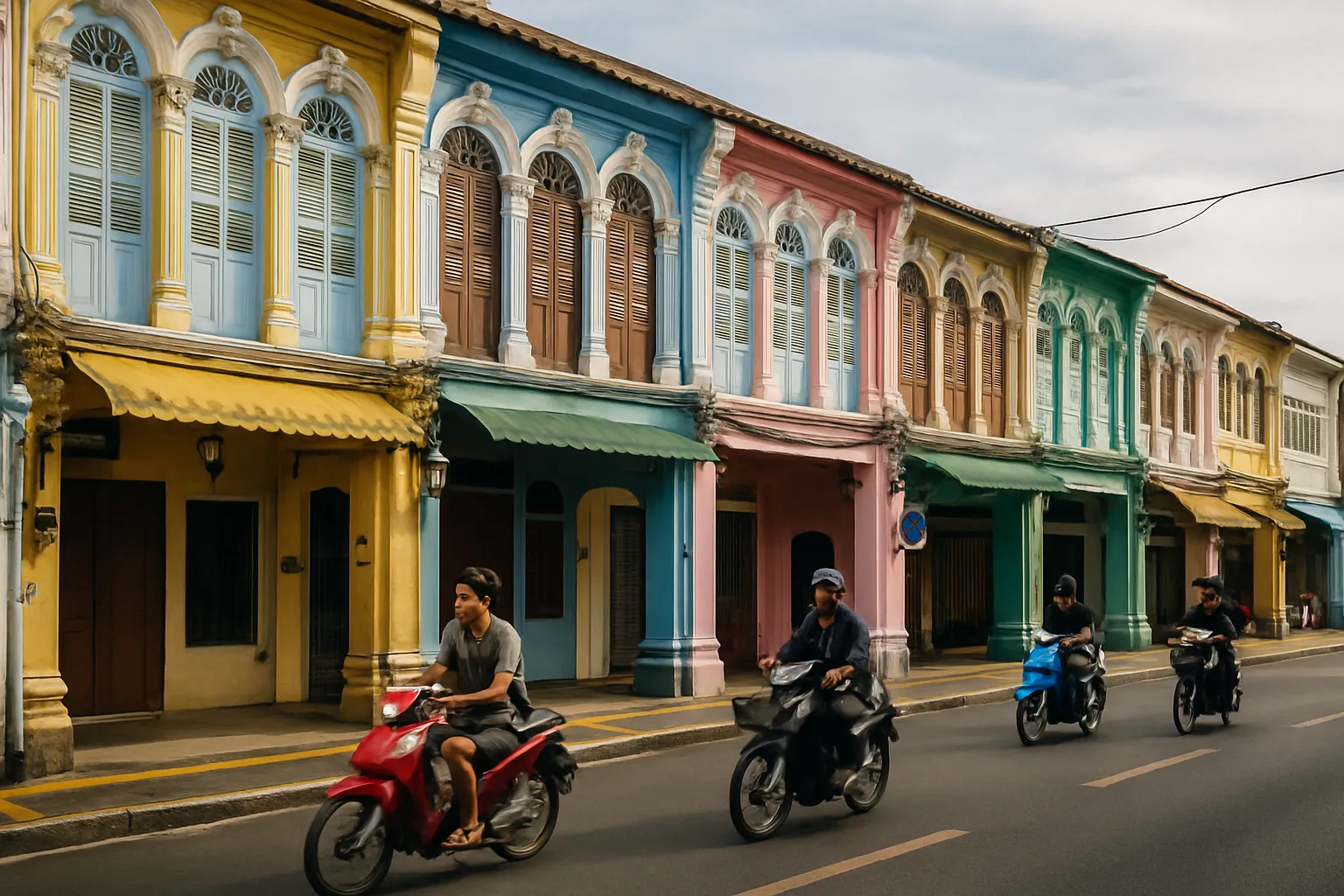
The Old Town is not just pretty for photos. It is genuinely lived-in. On a Sunday morning, locals browse the Phuket Walking Street Market (every Sunday evening from 4 PM to 10 PM along Thalang Road), picking up freshly grilled skewers, mango sticky rice and handmade goods. It draws some tourists too, but the atmosphere remains firmly local compared to anything near Patong.
Do not miss the Baan Chinpracha mansion, a beautifully restored heritage home open to visitors for around 50 THB. It gives you a vivid sense of how wealthy Hokkien Chinese families lived on the island a century ago. The Thai Hua Museum nearby covers the history of Phuket's Chinese community in detail, with bilingual displays.
Local Markets That Locals Actually Use
Want to understand a place? Go to its markets. Phuket has several that tourists rarely visit, and they are some of the best experiences the island has to offer.
- Malin Plaza Patong - Yes, it is near Patong, but this night market is frequented by locals as much as tourists. Prices are honest and the seafood is exceptional.
- Kaset Market (Talat Kaset) - Located in Phuket Town, this is a proper local fresh market open from early morning. Go before 8 AM for the full experience: vendors selling tropical fruits, dried goods and fresh fish straight off the boats.
- Bang Tao Community Market - In the northern part of the island, this small weekend market is mostly attended by the local community and expat residents. Very little English, very good food.
- Naka Weekend Market - One of Phuket's largest local markets, held on Saturday and Sunday evenings near Phuket Town. Think 50 THB noodle soups, 80 THB fresh fruit shakes, and clothes for 200 THB. A far cry from the tourist zone prices.
Beaches Beyond the Famous Three
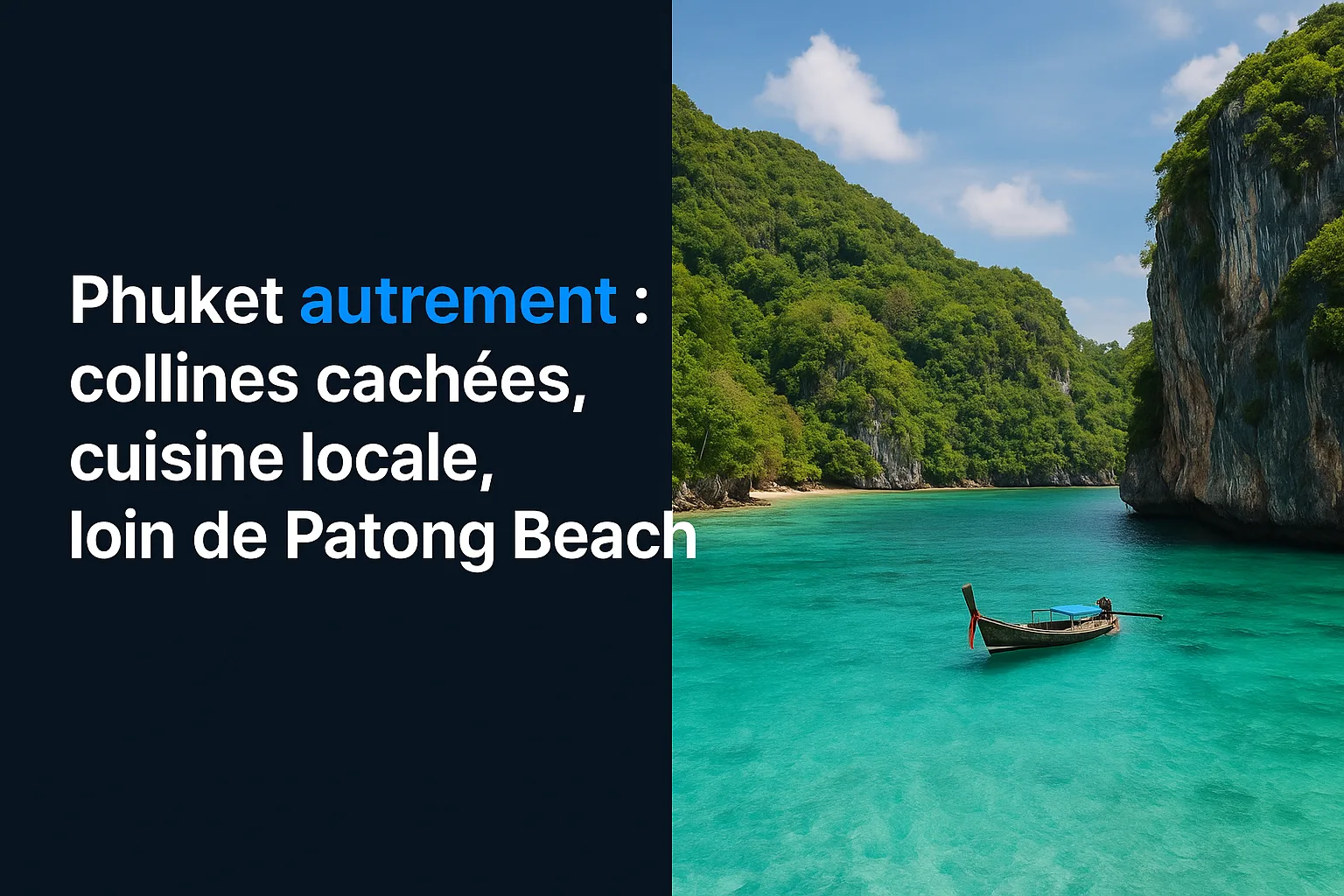
Everyone knows Patong, Kata and Karon. But Phuket has over 30 beaches, and many of them see a fraction of the crowds. Here are the ones worth making the effort for.
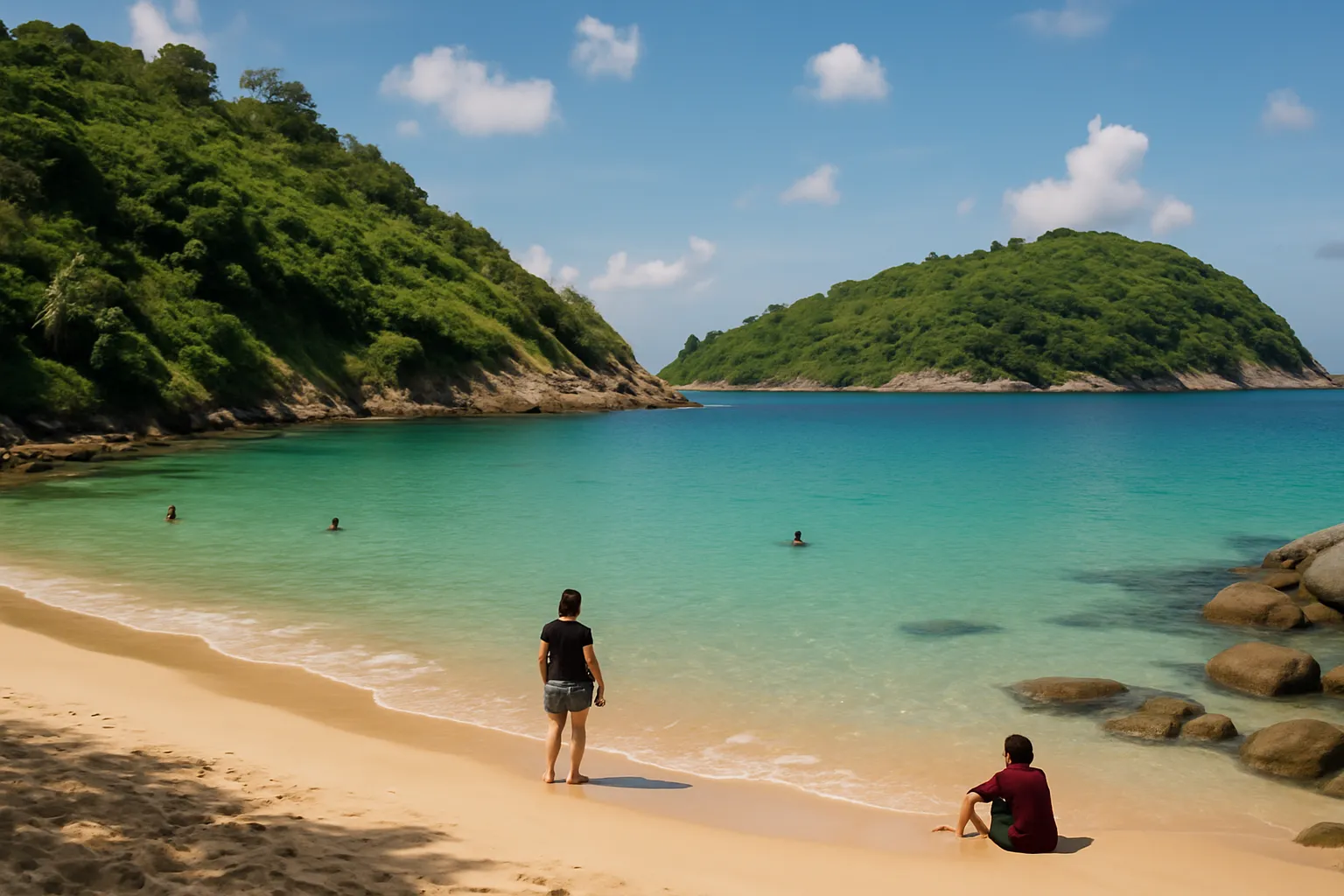
Nai Harn Beach is arguably Phuket's best-kept open secret, though it is getting better known each year. In the far south of the island, it is a gorgeous crescent of golden sand with calmer crowds. A local rowing club uses the freshwater lake behind the beach for training every morning - a genuinely charming scene.
Freedom Beach near Patong requires a short boat ride or a challenging hike, which keeps the numbers manageable. The water is exceptionally clear and the beach is small enough to feel personal.
Banana Beach (also called Hat Banana) in the north is almost deserted on weekdays, surrounded by jungle hillsides. Bring your own snacks as there is only one small vendor on site.
For something truly off the map, check out our guide to secret islands of Thailand - several of the smaller islands accessible from Phuket's eastern coast are almost completely free of mass tourism.
Temples and Spiritual Life on the Island
Phuket has over 40 Buddhist temples, yet most visitors only know Wat Chalong. That is a shame, because the island's spiritual life is rich and genuinely welcoming to respectful visitors.
Wat Chalong remains worth a visit - it is the most important temple on the island, dating back to the early 19th century, and free to enter. Come early in the morning (before 9 AM) to avoid tour groups and observe local worshippers making offerings.
Wat Suwan Khiri Wong (often called Monkey Hill Temple) sits on a hilltop above Phuket Town with sweeping views over the bay. The resident macaque monkeys make it memorable, but watch your belongings carefully.
Big Buddha (Phra Phutthamingmongkol Akenakkiri) is admittedly well-visited but the surrounding area, especially at sunrise, has a genuinely spiritual atmosphere. The drive up the hill also takes you through rubber plantations and traditional villages that feel completely removed from the tourist economy.
Phuket's Hidden Villages and Local Life
The interior of Phuket is almost never mentioned in travel guides, and that is exactly why you should explore it. Rent a scooter and head inland from any of the main beach roads, and within minutes you are in a different world.
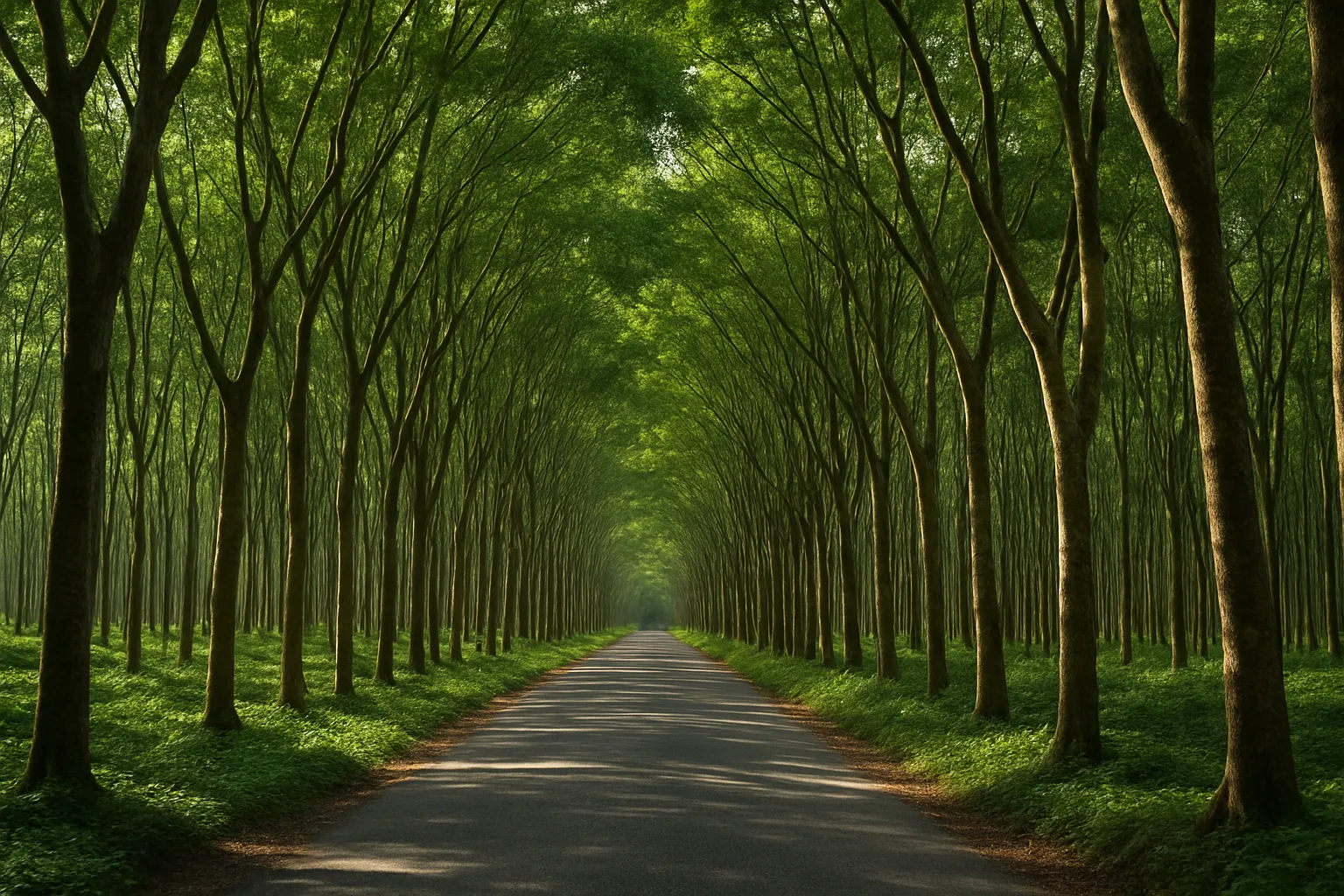
The villages of Thalang and Baan Manik in the north preserve a way of life largely unchanged by tourism. Rubber tappers still work the plantations before dawn, and the local temple ceremonies (particularly around Buddhist holidays) are among the most moving experiences available on the island, if you happen to time your visit right.
The Phuket Elephant Sanctuary near Paklok offers an ethical way to spend time with elephants without riding or shows. Entry costs around 2,500 THB per person but includes transport and a meal. This is sustainable tourism at its best, and the TAT has been actively promoting this kind of experience as part of Thailand's 2026 push toward responsible travel.
Eating Authentically in Phuket: Beyond the Tourist Menu
Phuket has its own distinct culinary identity, shaped by its Hokkien Chinese heritage and its access to exceptional seafood. The local dishes here differ from what you find in Bangkok or Chiang Mai, and they are worth seeking out deliberately.
Look for these Phuket specialties:
- Oh Tao - Phuket's version of oyster cake, fried with taro and egg. Available at Old Town coffee shops and markets for around 80-120 THB.
- Mee Hokkien - Thick yellow noodles stir-fried with shrimp, squid and pork, a direct legacy of the island's Chinese community. Found at local shophouses from around 70 THB.
- Gaeng Phed Pla (Red Fish Curry) - A Phuket-style fish curry that is spicier and more aromatic than Bangkok versions. Local seafood restaurants serve it for 150-250 THB.
- Khanom Jeen Nam Ya - Fermented rice noodles with a thick fish-based curry sauce, typically eaten for breakfast. The best versions are found at local morning markets, not tourist restaurants.
The best meal you will have in Phuket will almost certainly cost under 200 THB and be served on a plastic chair under a tin roof. Seek those places out.
For broader context on Thai cuisine and what to order across the country, our guide to must-try Thai dishes covers the national favourites alongside regional specialties worth knowing before you travel.
Getting Around Like a Local
Transportation is where many visitors get stuck in an expensive loop. Most people rely on Grab (the Southeast Asian equivalent of Uber) or negotiate with tuk-tuks, which can be very pricey in tourist areas. Here is how to do it more authentically and affordably.
Practical Tips for an Authentic Phuket Experience in 2026
A few final points that will make a real difference to your trip:
- Stay in Phuket Old Town or Rawai rather than Patong for a more local atmosphere
- Visit markets in the early morning (6-9 AM) when local life is at its most vivid
- Carry small change (20-100 THB notes) for market stalls, songthaews and temple donations
- Learn five words of Thai: hello (sawadee), thank you (khob khun), delicious (aroi), how much (tao rai), excuse me (kho thot)
- Avoid the Bangla Road area in Patong if you want an authentic experience - it is the antithesis of local Phuket
- Check the Tourism Authority of Thailand - Phuket website for current festival dates and sustainable tourism initiatives
- Respect temple hours and dress codes without exception
- Book accommodation in advance during peak season (December to February) - genuine guesthouses in the Old Town fill up fast
The Phuket That Is Worth Finding
The mass-tourism version of Phuket is not going anywhere. But it has never been the whole story. The island that greeted Chinese merchants in the 19th century, that built its wealth on tin and rubber, that still holds temple fairs and morning market rituals with genuine devotion - that Phuket is still here, running parallel to the beach club version.
The difference between a forgettable holiday and an unforgettable one often comes down to a single choice: whether you follow the crowd to the nearest tourist strip, or take the back road to the market stall where nobody speaks your language but the soup is extraordinary. Phuket rewards the curious. All you have to do is show up with open eyes and a willingness to wander slightly off course.